
Children's Music Activities - Atlantic School
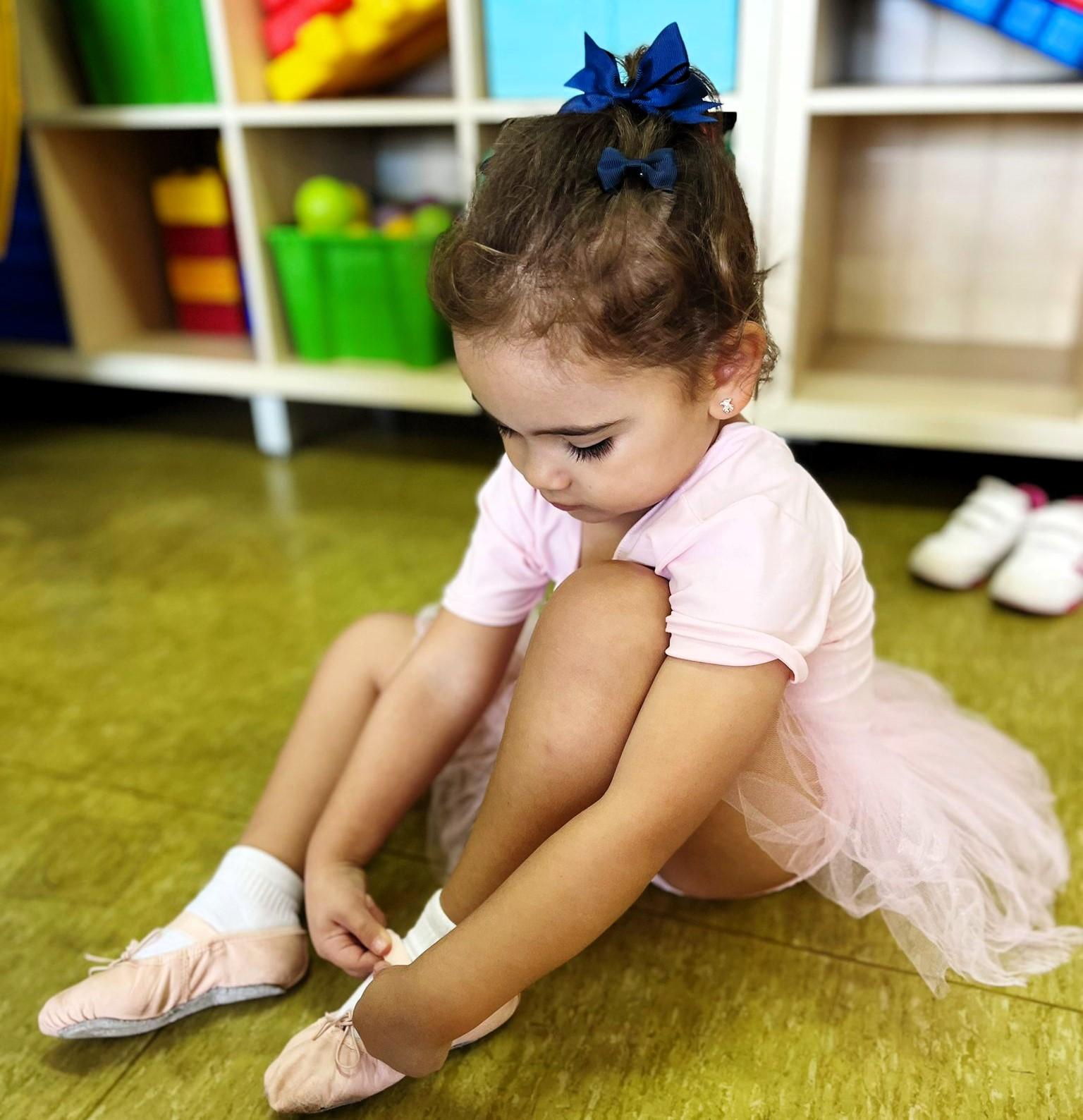
Music is a wonderful way to stimulate cognitive, emotional, and social development in children. Through musical activities, children can explore their creativity, develop motor skills, improve their listening and communication skills, and strengthen their self-expression. In this article we are going to introduce you to a variety of fun and educational musical activities that you can do with children, from rhythmic games and interactive songs to the exploration of different musical instruments.
At Atlantic School we take care that children in Early Childhood Education and Primary Education have a training based on learning knowledge and habits for their full development, and what better way than to the sound of music!
Examples of musical activities for children
1. Rhythmic and movement games
Rhythmic and movement games are great musical activities for kids. You can play "Follow the rhythm", where children must imitate the different rhythms that you play with your hands or using percussion instruments. Another option is the “Statue Dance,” where children must freeze in different poses when the music stops. These games help children to develop motor skills, coordination, and rhythmic awareness.
2. Singing and Songs
Singing and singing are musical activities that children love. You can teach them popular children's songs or create original songs related to topics that interest them, such as animals, nature, or colors. Encourage children to join the choir, make gestures, or use percussion instruments to accompanying music. Singing helps develop language skills, auditory memory, and coordination between speech and rhythm.
3. Exploring Musical Instruments
Exploring musical instruments is an exciting activity for children. You can provide them with a variety of percussion instruments, such as drums, maracas, tambourines, and small xylophones. Encourage children to experiment with sounds and to create simple rhythms. You can also introduce wind instruments, such as the recorder, or string instruments, such as the toy guitar. This activity stimulates motor coordination, concentration, and appreciation of different sounds and tones.
4. Improvisational games
Improvisational games are great for encouraging creativity and self-expression in children. You can organize an “Improvisation Concert” where children take turns to create music spontaneously using different instruments or just their voices. You can also propose musical role plays, where children invent songs about imaginary characters or situations. These games foster imagination, confidence, and the ability to work as a team.
5. Discovery of different musical styles
It is important for children to be exposed to a variety of musical styles. You can select songs from different genres, such as classical music, jazz, folk, ethnic music, and popular music. Encourage children to listen and discuss how each musical style evokes different emotions and sensations. You can also do movement and dance activities, where children explore different dance styles related to the music you are listening to.
In short, musical activities are a fun and effective way to stimulate children's development in several ways. Through rhythmic play, singing, instrument exploration, improvisational play, and listening to different musical styles, children can develop motor, cognitive, and emotional skills. In addition, these activities encourage creativity, self-expression, coordination, and appreciation of music. Introduce musical activities into the children's daily routine and observe how their love for music grows, and how they benefit from all the skills and benefits that music provides them.
At Atlantic School we take care that children in Early Childhood and Primary Education have a training based on learning knowledge and habits for their full development, and what better way than to the sound of music!